Room to Grow: native tree translocation at NEOM Oxagon
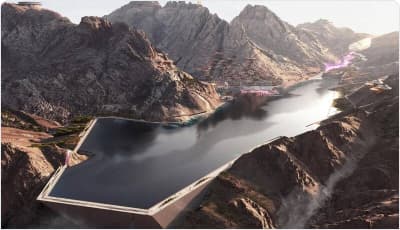
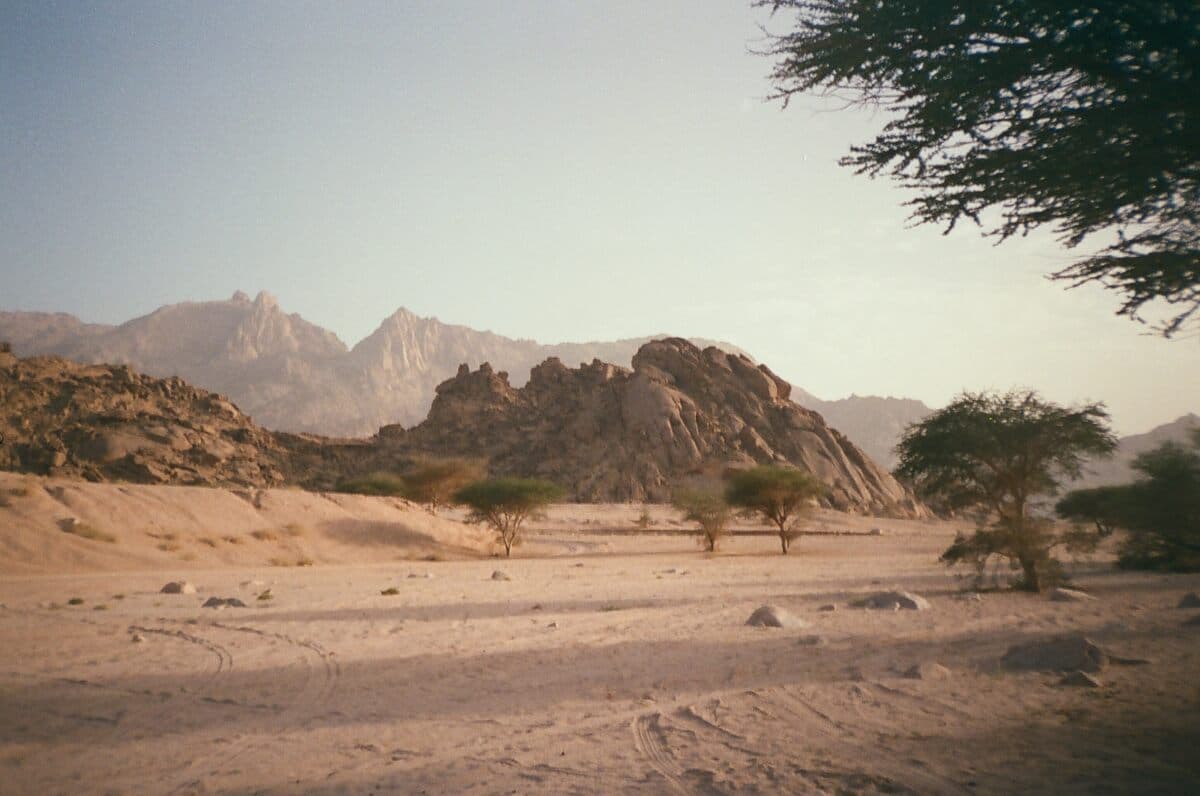
Large-scale development at the Oxagon site in NEOM required a clear understanding of existing ecological conditions along the Red Sea coast, where native vegetation plays a critical role in ecosystem stability.
Learn MoreNative Tree Translocation – NEOM, Oxagon
Development activities risked damaging native tree species and disrupting fragile desert–coastal ecosystems if ecological value was not identified early and managed properly.
Project Environmental Workstreams


Rapid ecological surveys
Field surveys carried out across both accessible and non-accessible areas of the site.

Habitat and species identification
Habitats, flora species and landscape features identified and recorded.

Native tree mapping
Native tree locations and their ecological characteristics mapped across the development area.

Translocation guidance
Recommendations developed in line with NEOM's environmental vision for preserving native species.
How Staterra supported the project
Staterra was engaged to assess the biotic environment and support NEOM's commitment to conserving native species through informed translocation. We embedded ecological responsibility into early land-use decisions, translating field survey findings into clear guidance that allowed planners to proceed with development while protecting native tree species. By identifying, documenting and guiding the translocation of vegetation at risk, we ensured ecological value was preserved rather than removed as a consequence of construction.
Key Deliverables
Rapid ecological survey report
Habitat and vegetation mapping
Native tree species inventory
Translocation guidance and documentation
Impact & outcomes
The project enabled NEOM to preserve native tree species while advancing development. Environmental data supported responsible land-use decisions and aligned growth objectives with ecosystem protection.
Let's discuss your project challenges
Our team supports clients with practical environmental insight from planning through delivery.
Contact us