

Webinar: Saudi Arabia Legacy Waste in the Oil & Gas Industrial Sector – 2025 and Beyond: Key Takeaways
Staterra’s recent webinar, “Saudi Arabia Legacy Waste in the Oil & Gas Industrial Sector – 2025 and Beyond,” explored how operators in the Kingdom can turn historic contamination challenges into strategic opportunities that support the Saudi Green Initiative and Vision 2030.
Building on the momentum of the earlier session “Living in Harmony with Nature: Wings, Winds & Global Connections in the Arabian Peninsula,” this webinar continued Staterra’s commitment to helping clients go beyond compliance and deliver real environmental value on the ground.
Setting the scene
Today’s facilitator and Staterra Managing Director, Amer B. Alzubaidi, opened the session by reaffirming Staterra’s mission to help projects across Saudi Arabia move past a “minimum compliance” mindset towards integrated solutions that align regulatory obligations with SGI-driven sustainability outcomes. Amer framed legacy waste as both a regulatory risk and a business opportunity, setting the stage for a technical deep dive into assessment, remediation, and value creation from contaminated land and waste streams.
Understanding legacy waste
Staterra Technical Director John David Lapinskas began by defining legacy waste as historic soil and groundwater contamination arising from past industrial practices at oil and gas and related facilities. John outlined the core Saudi regulatory landscape, including MEWA/NCEC requirements and Royal Commission Environmental Regulations, and presented a four-phase remedial strategy built around desktop assessment, intrusive investigation, pilot testing, and verification. John also covered key pollutant chemistry for hydrocarbons and heavy metals and compared in-situ and ex-situ technologies, emphasising that choosing the right solution depends on understanding contaminant behaviour, site conditions and the governing regulations.
In his recap, Amer highlighted the importance of pairing sound chemistry and risk assessment with a clear view of Saudi Arabia’s evolving environmental rules so that remediation plans are both technically robust and regulator-ready. He then introduced guest speaker Felipe Couto of RemedX, who shared real-world case studies on treating some of the most difficult hydrocarbon residues encountered in the sector.
From theory to difficult contaminants
Felipe’s presentation focused on heavy-end and high-viscosity hydrocarbons, including a project that deployed steam-enhanced extraction to mobilise and recover thick oils and another that used windrow-based bioremediation to degrade tarry sludge in lagoons. Throughout, he stressed the value of a strong conceptual site model and laboratory trials to fine-tune critical parameters such as temperature, oxygen and nutrient balance, ensuring that biological or thermal processes perform reliably at full scale.
Summarising Felipe’s talk, Amer distilled the key message to “know the beast”: only by characterising contaminant types, distribution and behaviour can operators choose technologies that deliver measurable risk reduction and value. He then shifted focus from biological and thermal processes to mechanical separation and resource recovery through soil washing, introducing CDE Group’s technical specialist, Dogan Ozel.
Soil washing for cleaner, reusable land
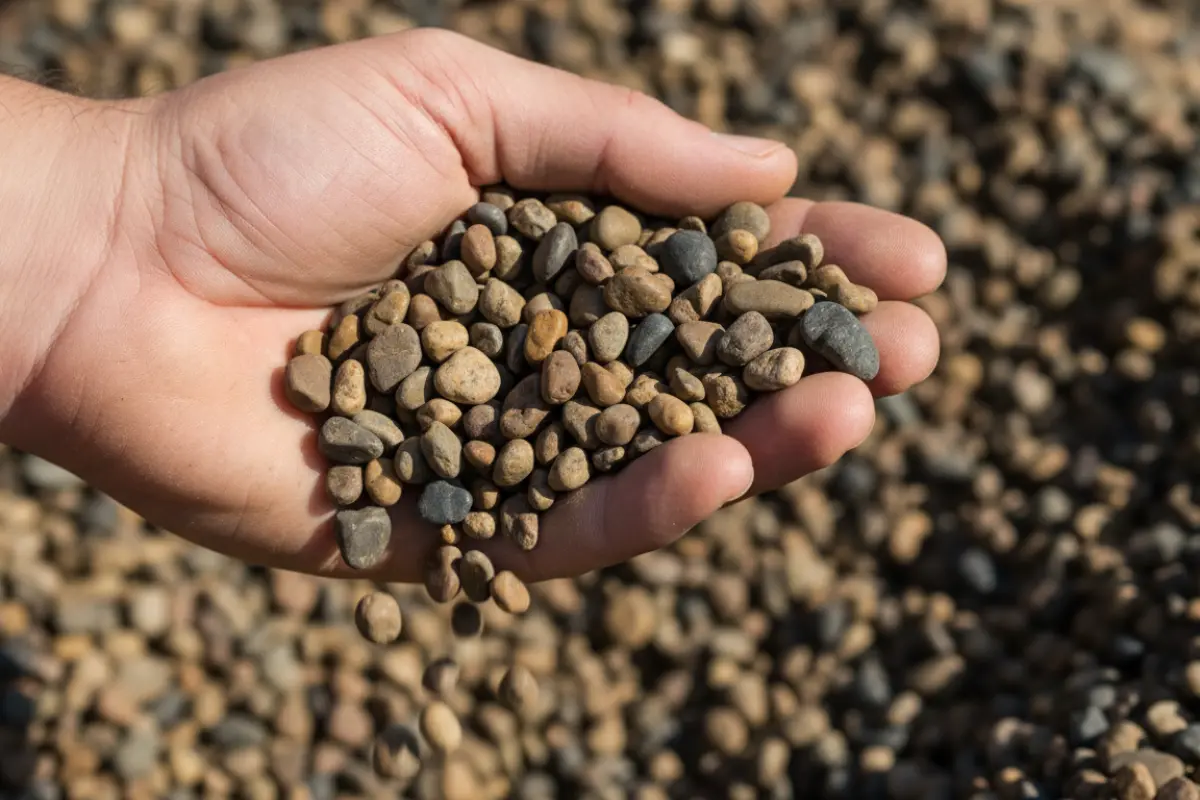
Dogan explained how remedial soil washing combines scrubbing, attrition and hydraulic separation to separate clean fractions (such as sand and gravel) from fine, contaminated particles, thereby reducing disposal volumes and enabling material reuse. Drawing on examples from Saudi Arabia, Kuwait and international projects, he demonstrated how soil washing can support land value uplift, reduce landfill dependence and help operators meet stricter regional standards on contaminated land and waste management.
In his closing remarks, Amer thanked all speakers and participants and reiterated a central theme that runs through Staterra’s wider work in environmental engineering and compliance: remediation is not about hiding a problem; it is about transparently managing risk while turning waste into a resource that supports project economics and national sustainability goals. Amer noted that outstanding audience questions will be answered via LinkedIn and invited attendees to stay engaged with Staterra’s knowledge-sharing platforms as the regulatory and technology landscape in KSA continues to evolve.
For those who joined this latest legacy waste discussion – or are just discovering Staterra’s webinar series – now is the ideal time to stay connected.
Look out for our next webinar in early 2026 on “Climate Change Adaptation and Mitigation in Saudi Arabia: Advancing Sustainable Solutions through Nature-Based Solutions and Sustainability Approaches in Arabia,” where we will explore how organisations can manage climate risks, enhance resilience and unlock low‑carbon opportunities across the Kingdom.