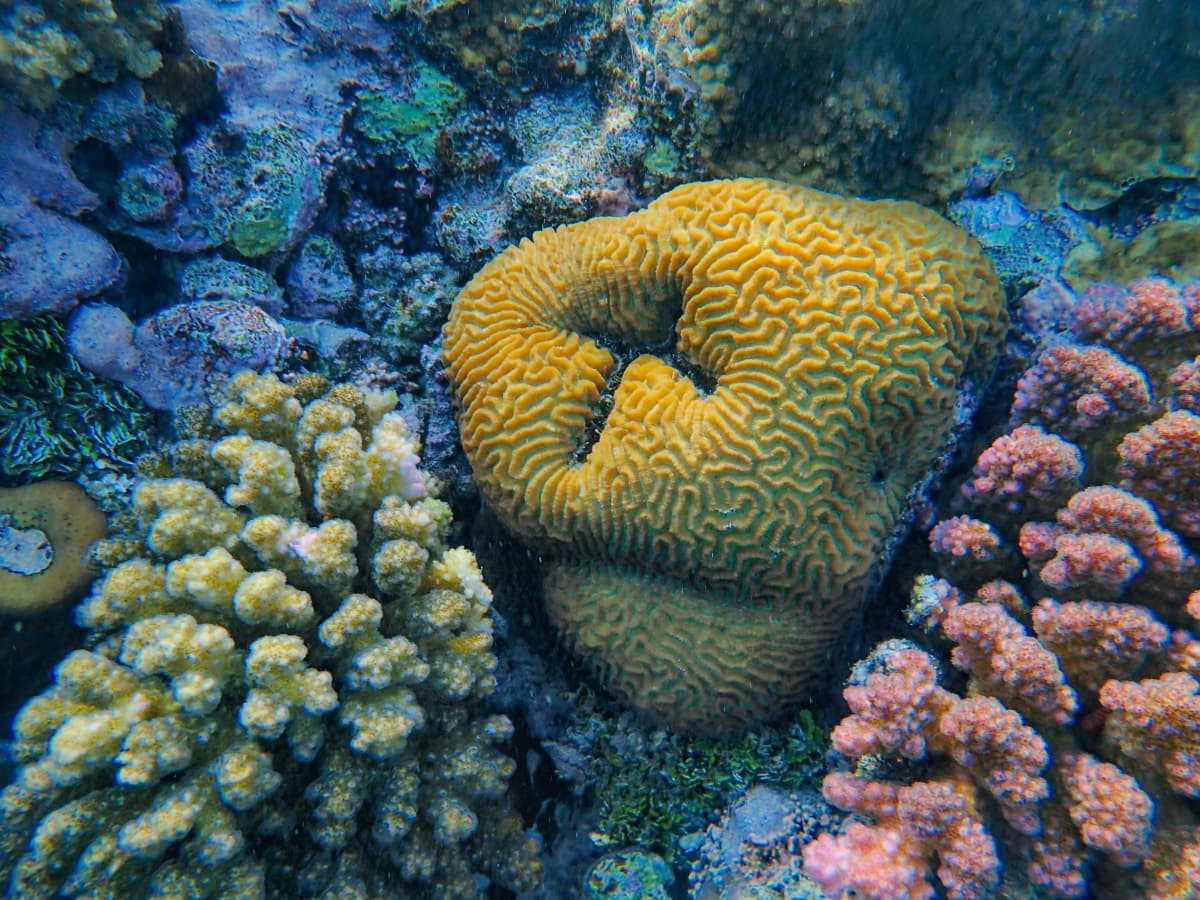
Assessing and monitoring the marine environment in Saudi Arabia
Biodiversity is an essential component of any ecosystem, crucial for the conservation of natural resources. At Staterra, we understand the importance of biodiversity, and take great care in our assessment and monitoring procedures ensuring that we follow strict regulations and guidelines when...
Biodiversity is an essential component of any ecosystem, crucial for the conservation of natural resources. At Staterra, we understand the importance of biodiversity, and take great care in our assessment and monitoring procedures ensuring that we follow strict regulations and guidelines when conducting our studies. In fact, we’re proud of the part we play in helping companies preserve diversity – and therefore our environment.
Let’s dive a bit deeper into biodiversity, and just how it’s protected by local authorities. Saudi Arabia’s National Biodiversity Strategy and Action Plan (NBSAP) identifies and defines priorities for biodiversity conservation in the country, and outlines actions that should be taken to achieve this objective. By following the principles outlined in the NBSAP, we’re able to make informed and accurate assessments of the impacts to ecosystems resulting from changes to land use and activities carried out within the Kingdom.
So how does Staterra carry out these assessments, to give you the data you need to make the right decisions? Environmental Impact Assessment (EIA)s assess the environmental impacts of projects before they are implemented, so that they don’t cause adverse changes to the environment or to human health. The Planning & Development Department requires that all large development projects are the subject of an EIA, to ensure that the development is carried out in a way that does not pose any risks to the environment, and that all relevant environmental issues are taken into account.
At Staterra we develop sustainable approaches for different requirements such as:
Marine and Coastal Baseline Surveys.
These surveys assess the status of marine resources in the Arabian Gulf to determine the impact of coastal development, and to assess the potential impacts of new or expanded oil and gas developments on the marine environment.
Marine Ecology and Habitat Mapping.
We use a range of highly effective environmental sampling techniques, including remote sensing surveys and remote controlled vehicles, to collect information on a range of marine species and their habitats.
Water and Sediment Sampling.
Staterra employs state-of-the-art sampling techniques to collect
water and sediment samples
to determine the quality and quantity of key ecosystem components. Our monitoring program allows us to quantify the extent and distribution of seagrass beds across the Arabian Gulf, as part of our ongoing research effort on Reef and Coral Headland Baseline Studies. These studies enable us to document coral reef condition and location and identify areas of high coral cover.
In-Site Water Quality Monitoring.
We carry out regular on-site water quality monitoring to assess changes in water quality as a result of human activities, local storms, or extreme weather events.
Oceanography Surveys.
Staterra collects oceanographic data using a variety of surface and sub-surface instrumentation, to better understand the physical, chemical, and biological properties of the waters surrounding the platform site. Tidal gauges allow us to observe variations in water levels and other environmental conditions over the longer term.
Bathymetric Surveys.
Staterra’s multibeam echosounders and sub-bottom profilers measure the ocean depth distribution in targeted areas. We use a range of techniques to analyse sediment samples collected from the seabed to determine their composition (for example, particle size and distribution).
Marine Modeling.
Our modeling software predicts the response of the marine environment to environmental and anthropogenic changes. We monitor waves and water levels around platforms during storm events using a
Marine Meteorological Data
Acquisition System, to assess the potential for damage and impact to the environment Warning Systems.
With a huge diversity of specialisations, knowledge, and cutting-edge tech, the STATERRA team is fully equipped to meet and exceed your environment health and safety needs – fast.
Our team has a deep understanding of environmental monitoring and management. We have experts across a range of disciplines providing our customers with industry-leading service and world-class expertise. With our broad experience across a wide variety of industries, our qualified team can provide advice and support to customers in a range of industries, including oil and gas, ports, utilities, construction and mining.
We’ve helped clients with complex and ever-changing challenges, across industries and sectors, from navigating the regulatory process to setting strategy designed to achieve operational excellence. We are experts at managing environmental risk while providing cost-effective solutions.
Contact us today to find out how we can help your company achieve environmental excellence!
Let's discuss your project challenges
Our team supports clients with practical environmental insight from planning through delivery.
Contact us
Our Latest Posts
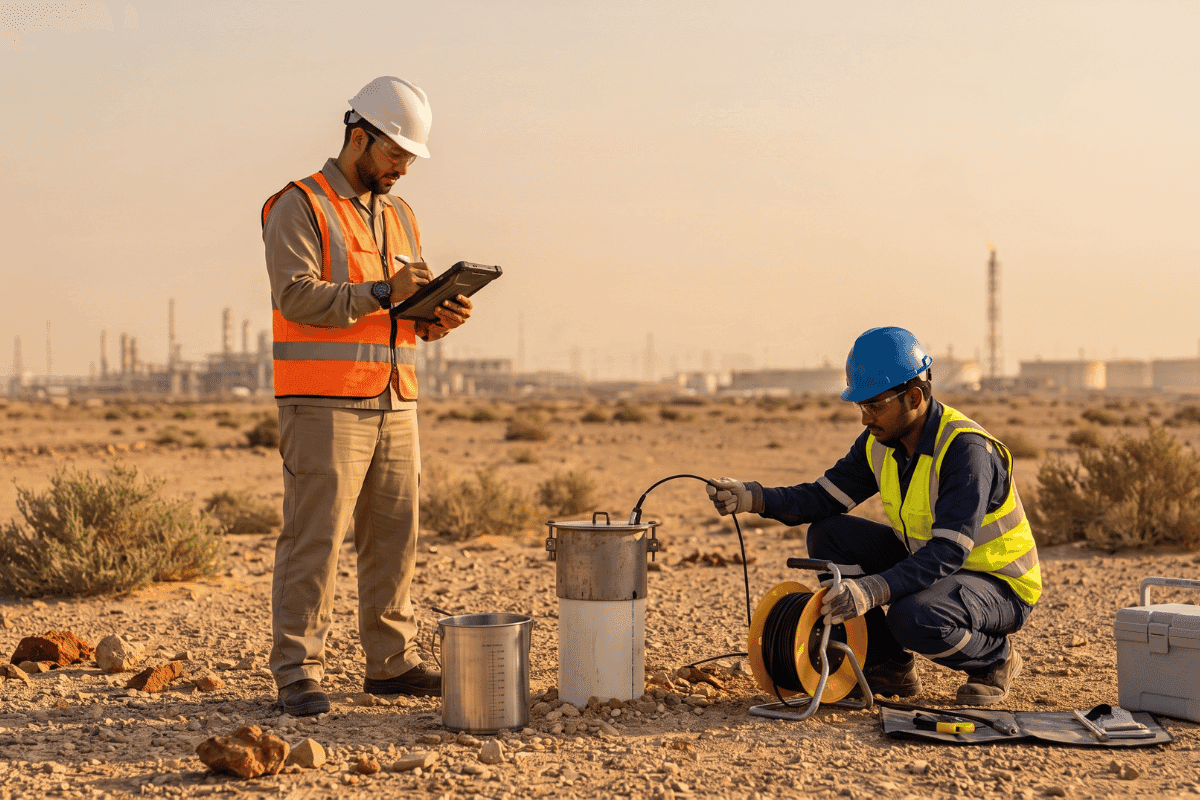
Protecting what's below: groundwater contaminant transport modelling for petrochemical capacity expansion in Jubail Industrial City
When a petrochemical facility in Jubail Industrial City undertook a significant debottlenecking programme to increase production capacity, the project triggered a critical environmental obligation: demonstrating, with technical certainty, that the expansion would not compromise groundwater quality...
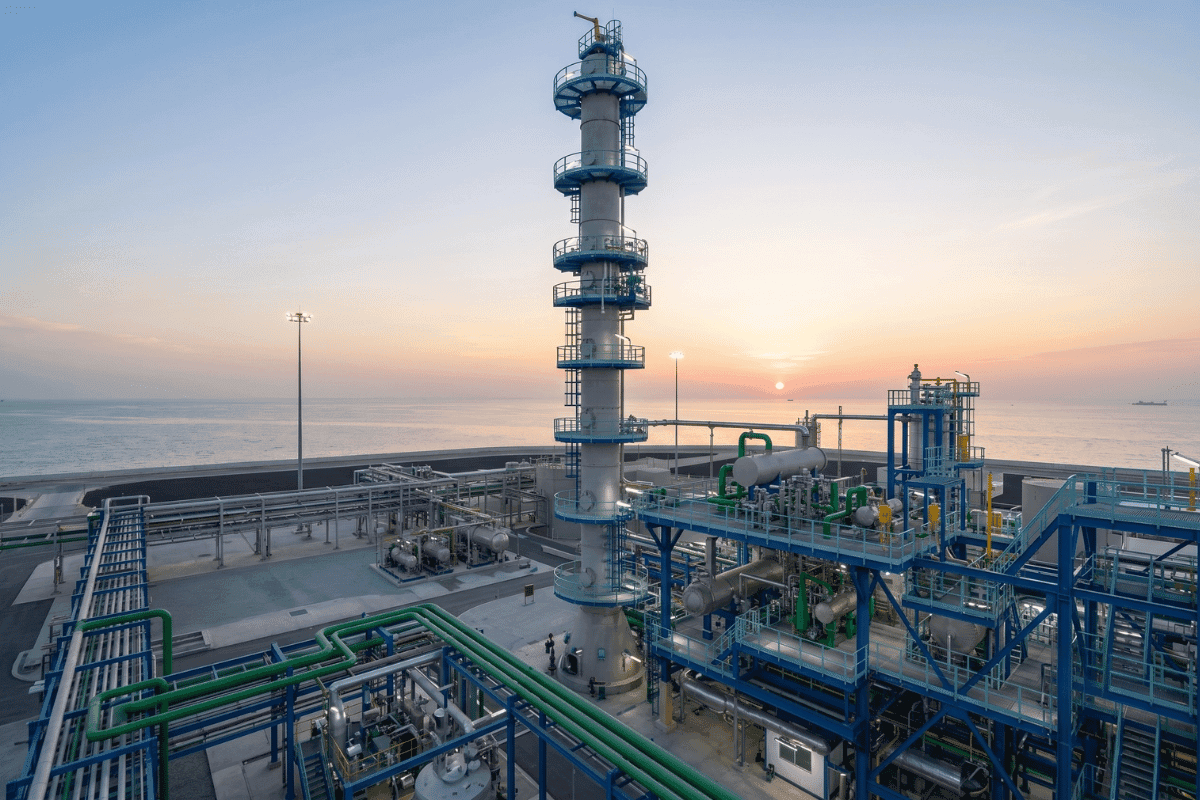
Environmental Modelling as a decision-support tool for impact assessment
You're trying to assess the environmental impact of a project that involves dozens of interacting variables – emissions, drainage, wind, terrain, receptors, land use, and operational scenarios. Looking at each one in isolation won't give you the answer. It will give you a fragment. That's where...
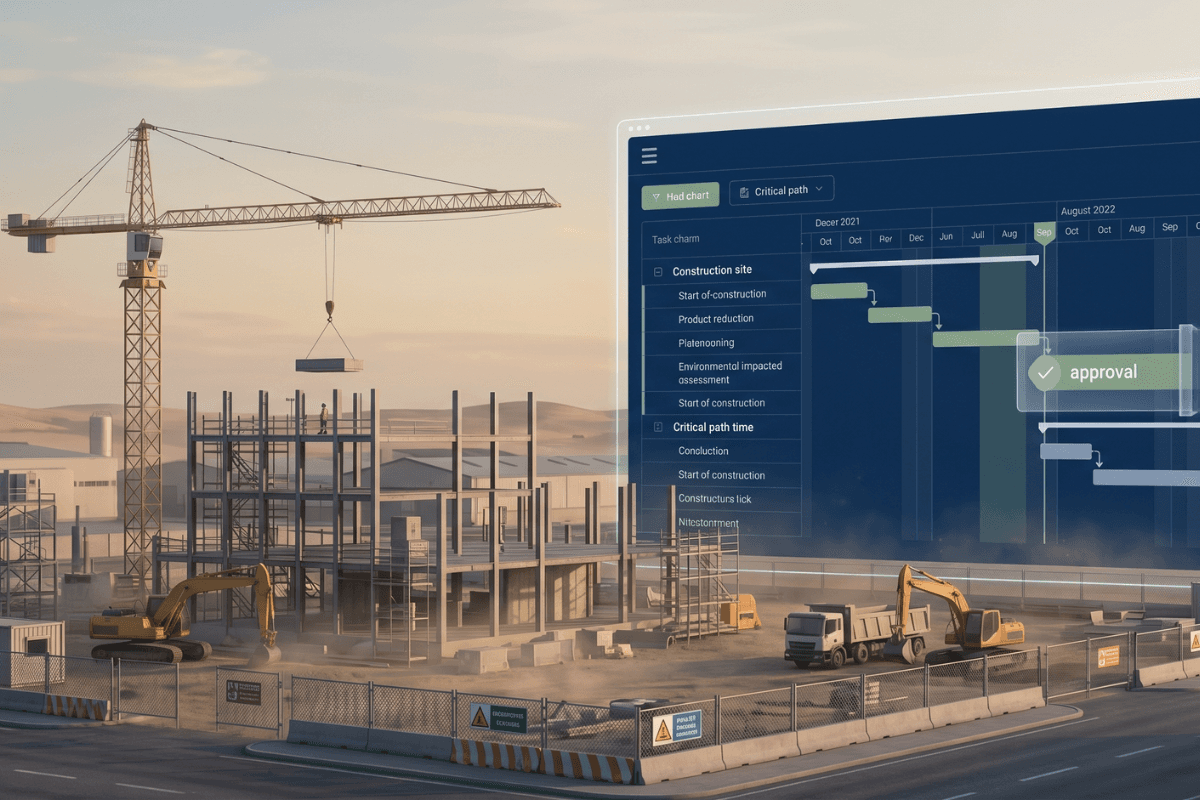
Your EIA is on the critical path. Don't let it become the bottleneck.
Four facilities. Ninety days. A Category-2 EIA that has to satisfy NCEC, align with SAEP-13, include a Health Impact Assessment, and land a Construction Environmental Management Plan with a dust mitigation component, all before a single upgrade to Dhahran, Qatif, or Al Hasa's fire and oily water...