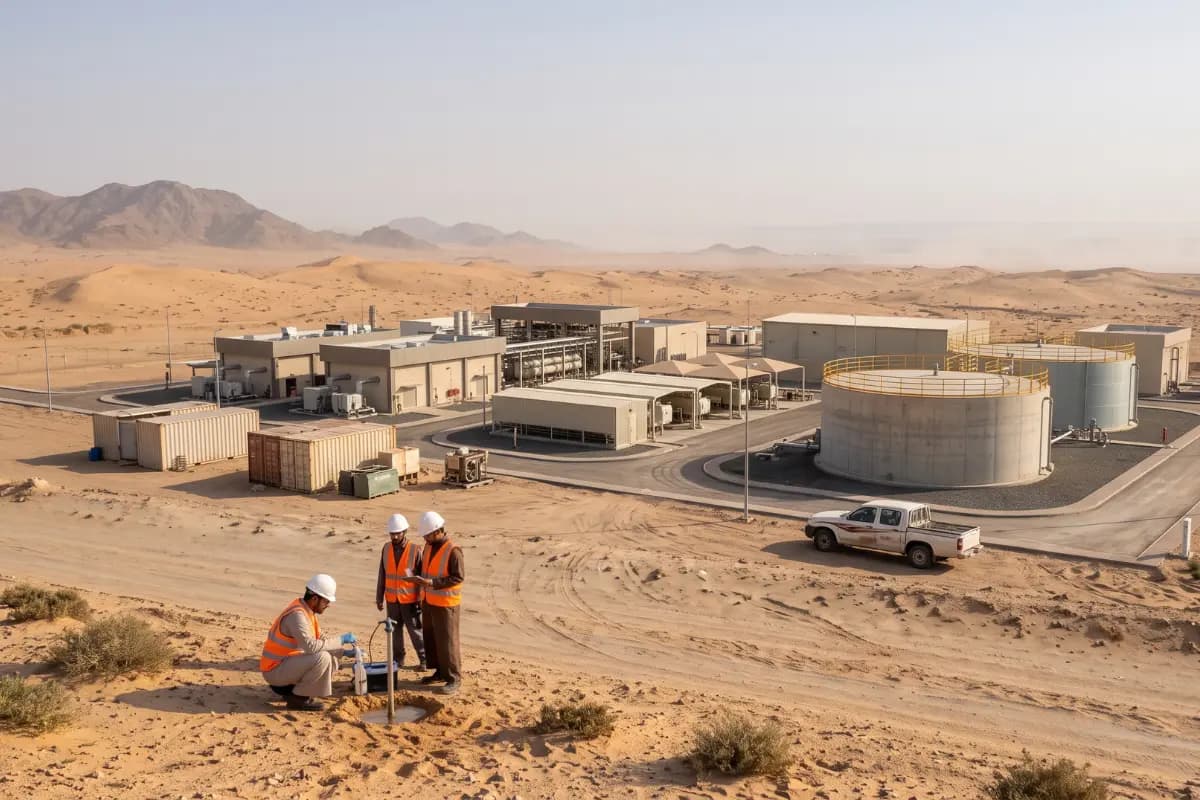
Why our Saudi clients trust every permit we deliver
Staterra's Saudi branch has renewed its environmental license from the National Center for Environmental Compliance (NCEC), securing a Type A accreditation that keeps our client projects aligned with the Kingdom's strict environmental standards until 30 June 2029. This renewal is a clear signal...
Staterra’s Saudi branch has renewed its environmental license from the National Center for Environmental Compliance(NCEC), securing a Type A accreditation that keeps our client projects aligned with the Kingdom’s strict environmental standards until 30 June 2029. This renewal is a clear signal that every study, permit package, and sustainability decision we support continues to be grounded in national regulation and real results.
The essentials: who, what, where
The renewed license confirms our authorisation to provide environmental studies and consultancy services across Saudi Arabia. Classified as Type A, the certificate is valid from 30 June 2026 to 30 June 2029 and sits within NCEC’s framework for high‑impact environmental work.
In practical terms, NCEC continues to recognise Staterra as a qualified partner for Environmental Impact Assessments (EIA), Environmental and Social Impact Assessments (ESIA), Environmental Site Assessments (ESA), risk assessments and related permitting support for projects outside Royal Commission industrial cities.
What a Type A NCEC license means for your permits
NCEC regulates projects across the Kingdom outside Jubail, Yanbu, Ras Al Khair and Jazan, enforcing standards for air, water, land and waste and requiring accredited consultants for higher‑impact projects.
For Category 2 and 3 projects, NCEC expects robust EIAs and related studies before issuing Permits to Construct and Permits to Operate through its digital portal.
Within this system, a Type A license is the top tier of recognition for environmental study providers. It authorises Staterra to:
- Prepare EIAs and ESAs for moderate‑ and high‑impact projects, with detailed atmospheric, groundwater and ecological modelling where needed.
- Develop Environmental Scoping Reports and Permit Application Packages that match NCEC’s expectations, avoiding the documentation gaps that delay approvals.
For project owners and lenders, the renewed license is straightforward assurance: the consultant designing your permit path is recognised by the regulator and accountable under the same national framework.

The compliance trifecta, in one place
NCEC accreditation is one part of a broader foundation we have built in Saudi Arabia. Together, three credentials form a practical “compliance trifecta” for clients:
Pillar
What it covers
Why it matters for you
NCEC Type A license
National environmental studies & permitting
Trusted EIAs, ESAs and permits across KSA
RCJY authorisation
Royal Commission industrial cities under RCER‑2025
Smoother EP‑to‑Construct/Operate in Jubail, Yanbu & others
LCGPA Local Content
Audited 34.27% local content score
Stronger tender scores and commercial compliance
As an RCJY‑authorised Environmental Service Provider, we are pre‑approved to deliver EIAs in Royal Commission industrial cities where RCER‑2025 has raised the bar for emissions, discharges and site lifecycle management.
Our LCGPA Local Content Certification turns environmental consultancy into a tangible advantage in government tenders by backing your bids with audited local content data.
With the renewed NCEC Type A license confirmed, these three pillars work together: your permits are designed and delivered by an accredited team, processed through familiar regulatory channels, and backed by audited local content that regulators and procurement bodies already recognise.
Climate, sustainability and permitting on the same line
Under Vision 2030 and the Saudi Green Initiative, permits are no longer just legal requirements, they are a mechanism for delivering emissions reduction, circular economy and biodiversity protection on the ground. Our renewed license allows us to keep connecting compliance with sustainability and climate outcomes in sectors that matter most.
Recent work has shown how this plays out in practice:
- In Jubail, before the 2025 update, we helped an industrial wastewater facility secure its Environmental Permit to Construct, reducing odour, noise and groundwater risk in line with the RCER‑2015 framework then in force and NCEC standards.
At
NEOM’s Circular Economy Centre Phase II
, we supported ESIA and permitting efforts that embedded zero‑waste ambitions and climate resilience into the core of the project.
In both cases, NCEC and RCJY requirements were not obstacles, they were design tools. When you work through them with accredited experts and credible data, permitting becomes part of your sustainability strategy, not a separate box to tick.

“Renewing our NCEC Type A license is not just a regulatory milestone, it is a commitment to keep climate, biodiversity, and community health at the centre of every permit we deliver. Over the past five years, we have helped clients cut odour emissions at wastewater plants, design zero‑waste expansions, and future‑proof mega‑projects against RCER‑2025 and Saudi Green Initiative targets. This license gives regulators confidence in our studies; the results we deliver on the ground are what give our clients confidence in their decisions.” Amer B. Alzubaidi - Managing Director
What this means for your next project – and how to act
If you are planning or operating a project in Saudi Arabia, this renewal means:
Less uncertainty at the permitting stage.
You are working with consultants recognised by NCEC and RCJY, fluent in RCER‑2025 and Saudi Environmental Law, and experienced in the digital permitting systems.
Stronger alignment with sustainability and climate expectations.
Our studies and management plans are built to support Saudi Green Initiative goals, ESG disclosure and emerging green financing standards, not just satisfy minimum requirements.
If your EIA or ESIA sits on the critical path, or you need to reconcile NCEC/RCJY rules with global frameworks such as IFC Performance Standards and ISO 14001, we can help you navigate both without slowing your schedule.
Download our KSA Environmental Permits Guide for a step‑by‑step roadmap to NCEC and RCJY compliance, including RCER‑2025 updates. Or talk to our team about your next EIA, ESIA or permit renewal, we are here to help you go beyond compliance and turn regulatory confidence into environmental and climate performance.
Let's discuss your project challenges
Our team supports clients with practical environmental insight from planning through delivery.
Contact us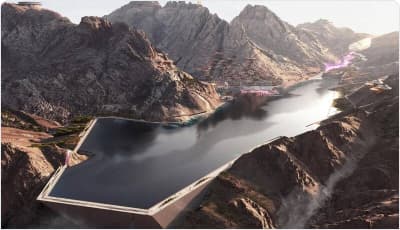
Our Latest Posts

Protecting what's below: groundwater contaminant transport modelling for petrochemical capacity expansion in Jubail Industrial City
When a petrochemical facility in Jubail Industrial City undertook a significant debottlenecking programme to increase production capacity, the project triggered a critical environmental obligation: demonstrating, with technical certainty, that the expansion would not compromise groundwater quality...
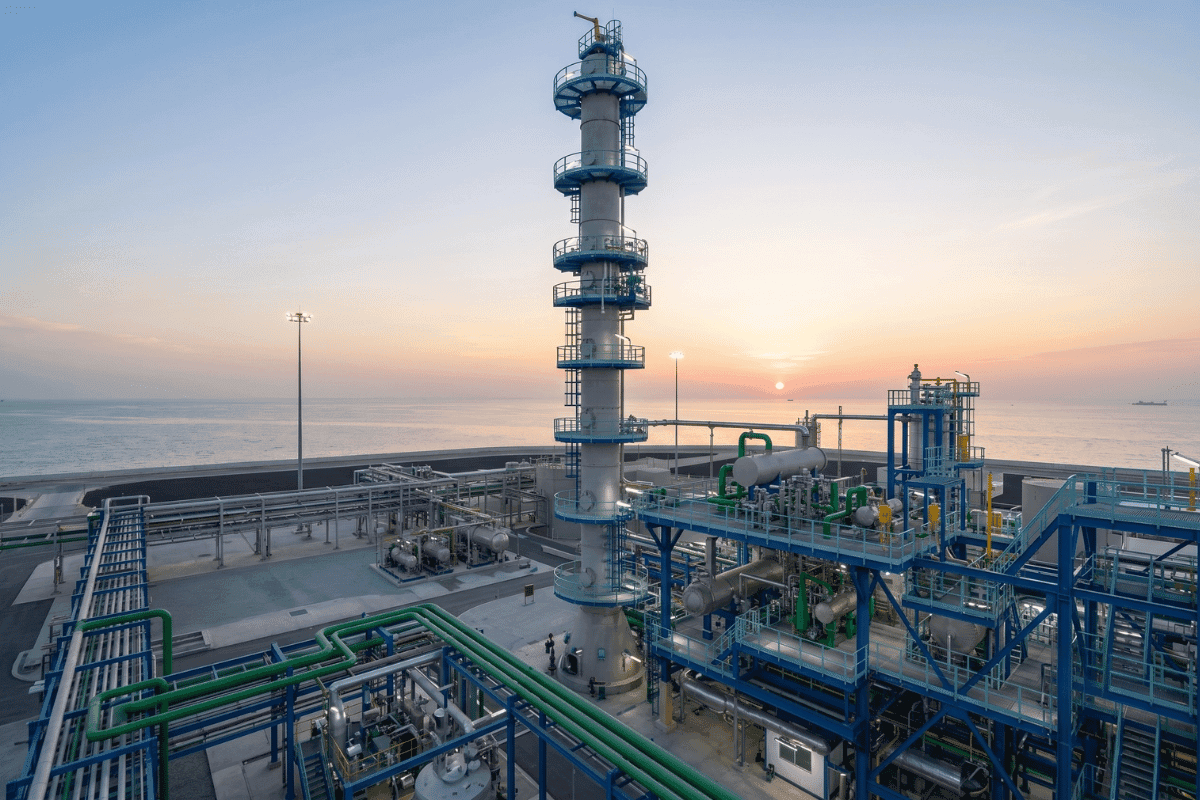
Environmental Modelling as a decision-support tool for impact assessment
You're trying to assess the environmental impact of a project that involves dozens of interacting variables – emissions, drainage, wind, terrain, receptors, land use, and operational scenarios. Looking at each one in isolation won't give you the answer. It will give you a fragment. That's where...
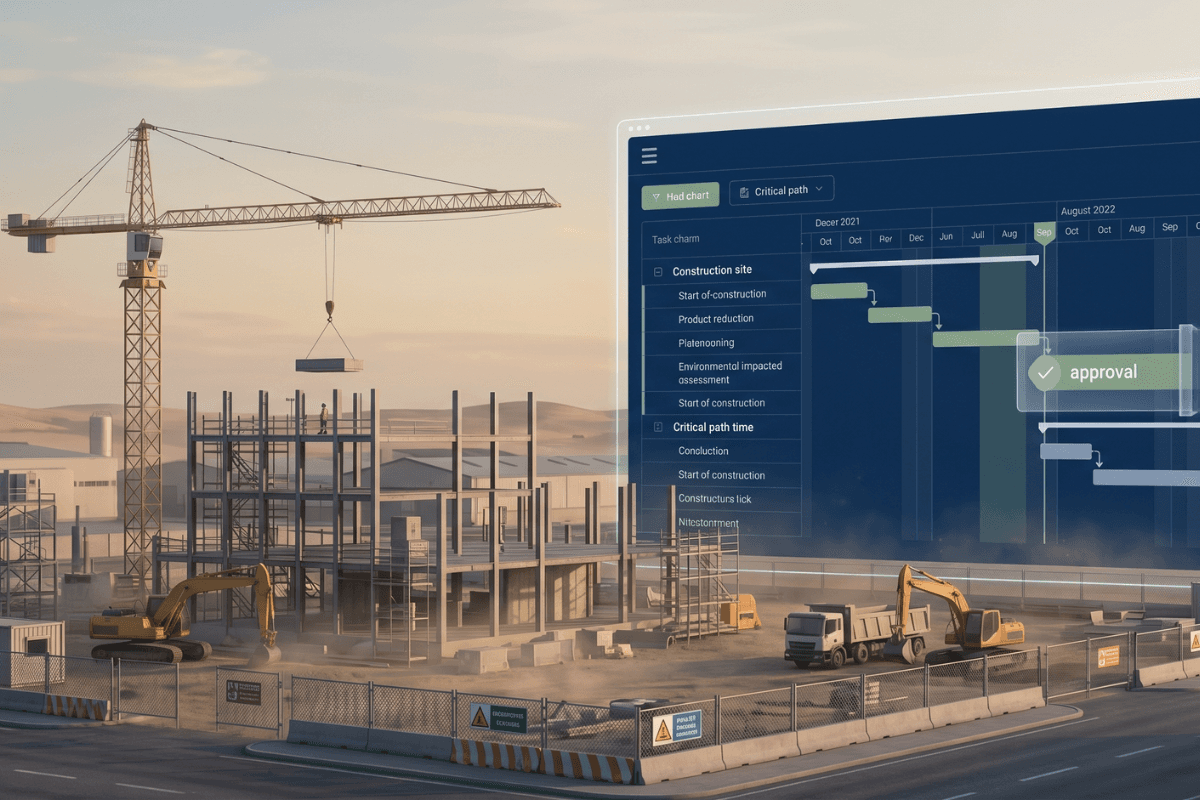
Your EIA is on the critical path. Don't let it become the bottleneck.
Four facilities. Ninety days. A Category-2 EIA that has to satisfy NCEC, align with SAEP-13, include a Health Impact Assessment, and land a Construction Environmental Management Plan with a dust mitigation component, all before a single upgrade to Dhahran, Qatif, or Al Hasa's fire and oily water...