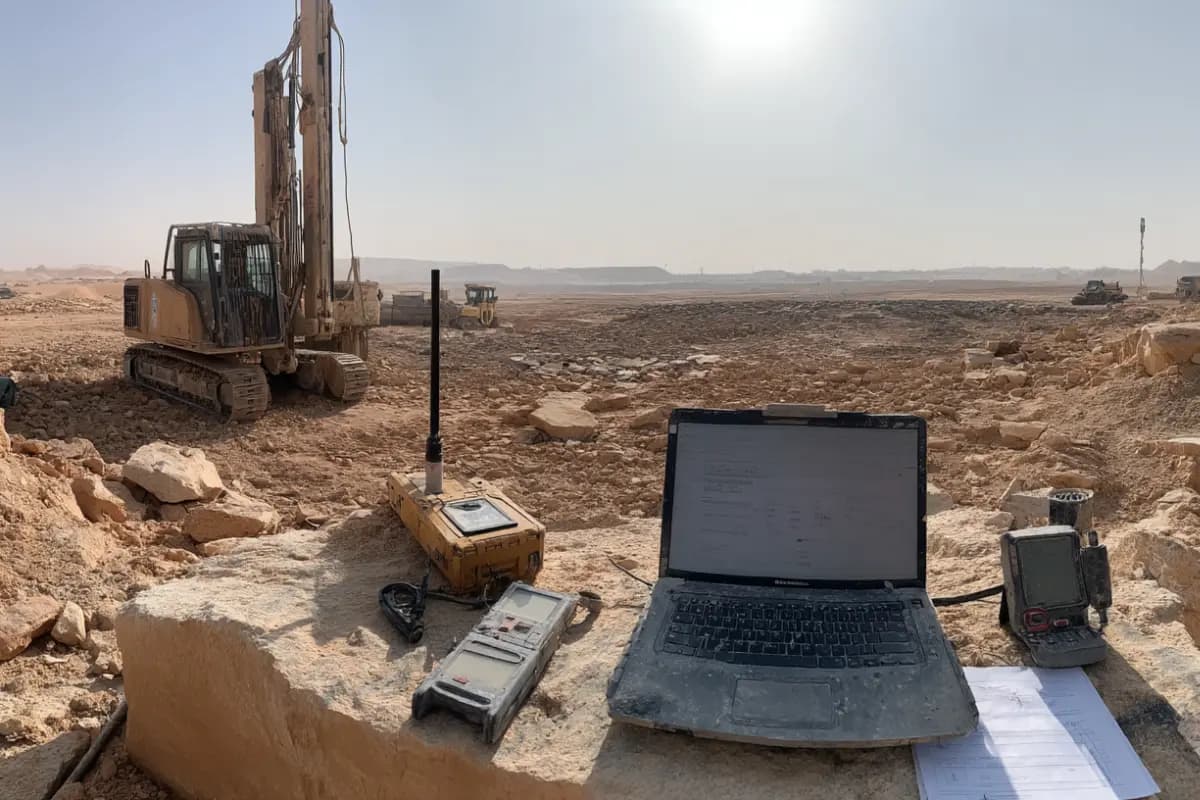
Phase IV soil & groundwater remedial monitoring & reporting
This article expands on the previous three phases of Staterra's contamination assessment framework. For a full understanding of the process, readers are encouraged to review: Phase I Desk Top Study for Contaminant Assessment, Phase II Intrusive Site Investigation, and Phase III Bioremediation....
This article expands on the previous three phases of Staterra’s contamination assessment framework. For a full understanding of the process, readers are encouraged to review: Phase I Desk Top Study for Contaminant Assessment, Phase II Intrusive Site Investigation, and Phase III Bioremediation.
Saudi Arabia’s approach to soil and groundwater remediation involves a cycle of careful monitoring and thorough reporting. The core goal is to confirm that the cleanup strategy is not only working, but that the land is returned safely for its next use. This process strictly aligns with the Ministry of Environment, Water and Agriculture – MEWA Executive Regulations.
Monitoring Soil & Groundwater Remediation
Remediation monitoring is about regularly tracking environmental conditions to confirm that cleanup efforts are effective. There are two main ways to monitor progress:
- Real-time monitoring: this uses sensors to measure pollutants (e.g., dust, gases, or chemicals) continuously. Data can be collected and analysed instantly, which helps manage the remediation process and ensures safety for workers and the surrounding community.
- Periodic sampling: at certain intervals, samples of soil, groundwater, or air are collected and sent to laboratories for analysis. This gives a clear snapshot of contaminant levels over time.
In addition, careful records are kept of construction activity, soil movement, and any materials brought onto the site, making sure all works follow the approved cleanup plan.
Key aspects that should be tracked include:
- Levels of contaminants (chemicals or pollutants)
- Performance of treatment systems
- Soil gas and vapor concentrations
- Groundwater levels and contamination
- Construction, earthworks, and material imports

Remedial Reporting & Verification
After the cleanup, a comprehensive verification report is prepared.
This documentation serves several purposes:
- Shows that contamination was cleaned up to the required standards
- Provides a record of everything done on site, including techniques used
- Proves, using test data, that the land is now safe for its intended use
- Confirms compliance with MEWA, NCEC, and Royal Commission standards
The verification report includes:
- Detailed descriptions of all remediation activities
- Confirmation of methods applied and results achieved
- Copies of lab and field test data
- Statements about site suitability for the next stage of use
- Documentation of any ongoing monitoring or further checks needed
This final stage helps demonstrate the technical success of remediation both for clients and for regulators, ensuring that the site complies with all local environmental conditions and legal requirements.
Efficient Compliance & Regulatory Alignment
Reporting is not only about documenting success—it is about ensuring long-term regulatory compliance. Throughout the monitoring and reporting process, liaison with relevant authorities, including MEWA, NCEC, and the Royal Commission (RCJY), is maintained. The site must meet Executive Regulations, including those for rehabilitation and prevention of soil pollution.
Conclusion
Phase IV soil and groundwater remedial monitoring and reporting ensures that cleanup objectives are achieved, and robust evidence proves the site’s suitability for future use. Key steps include:
- Conducting thorough site investigation and remediation
- Developing and following a well-documented technical plan
- Verifying results through quantitative assessment
- Reporting findings in line with Saudi Executive Regulations
This structured process guarantees safe site restoration for both development and environmental protection, underpinning Staterra’s commitment to sustainable engineering.
For those seeking additional information or support with site assessment, remediation, or compliance in Saudi Arabia, please reach out to the team at Staterra.
Our experienced engineers and consultants are available to answer questions, provide guidance, or develop tailored solutions for your unique needs.
Contact us today to discuss how we can assist with your environmental project.
Author: John David LapinskasC.Chem., C.Env. – Staterra Technical Director

Let's discuss your project challenges
Our team supports clients with practical environmental insight from planning through delivery.
Contact us
Our Latest Posts
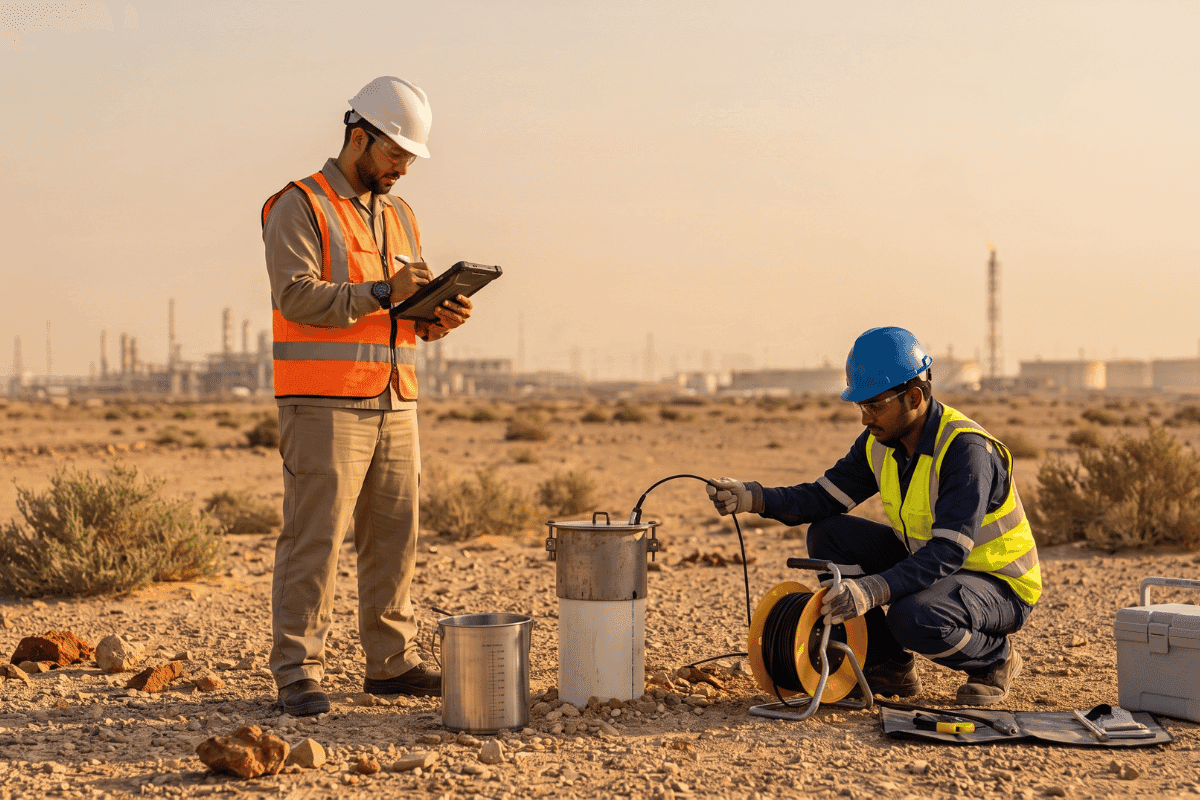
Protecting what's below: groundwater contaminant transport modelling for petrochemical capacity expansion in Jubail Industrial City
When a petrochemical facility in Jubail Industrial City undertook a significant debottlenecking programme to increase production capacity, the project triggered a critical environmental obligation: demonstrating, with technical certainty, that the expansion would not compromise groundwater quality...
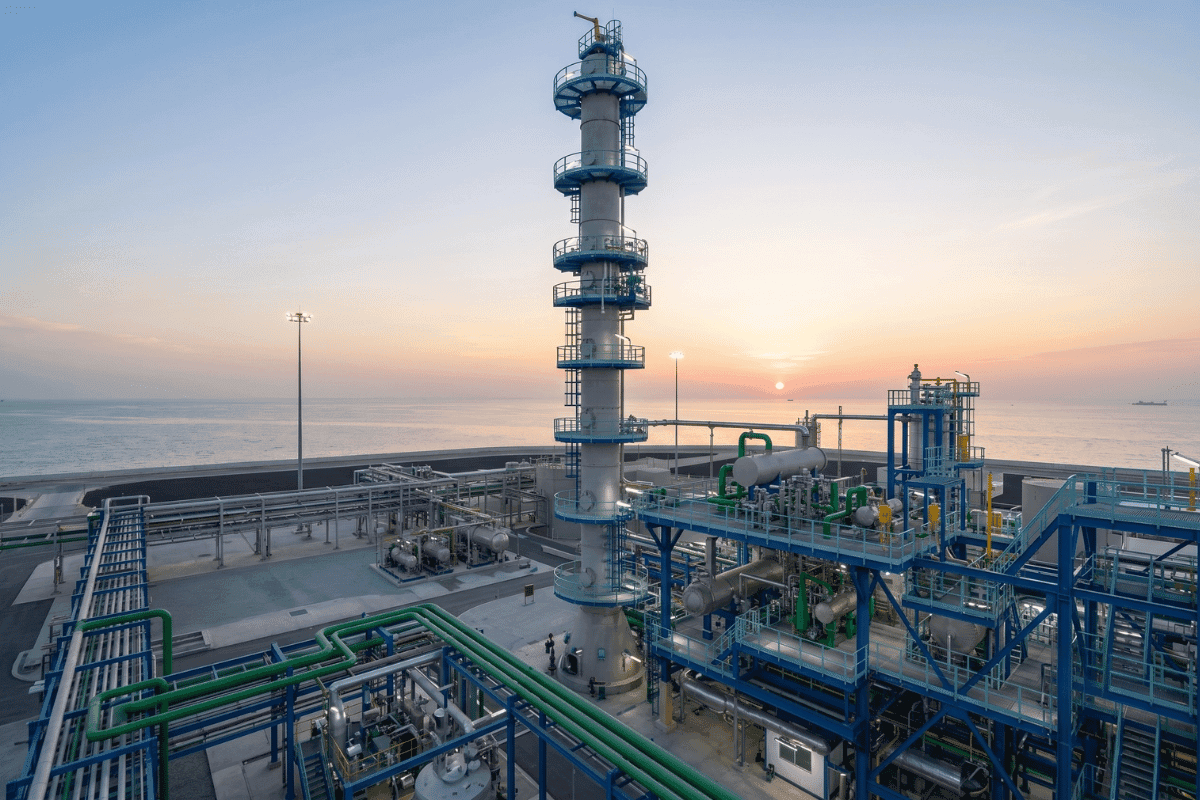
Environmental Modelling as a decision-support tool for impact assessment
You're trying to assess the environmental impact of a project that involves dozens of interacting variables – emissions, drainage, wind, terrain, receptors, land use, and operational scenarios. Looking at each one in isolation won't give you the answer. It will give you a fragment. That's where...

Your EIA is on the critical path. Don't let it become the bottleneck.
Four facilities. Ninety days. A Category-2 EIA that has to satisfy NCEC, align with SAEP-13, include a Health Impact Assessment, and land a Construction Environmental Management Plan with a dust mitigation component, all before a single upgrade to Dhahran, Qatif, or Al Hasa's fire and oily water...