
The Saudi Green Initiative 5 years later – what has changed?
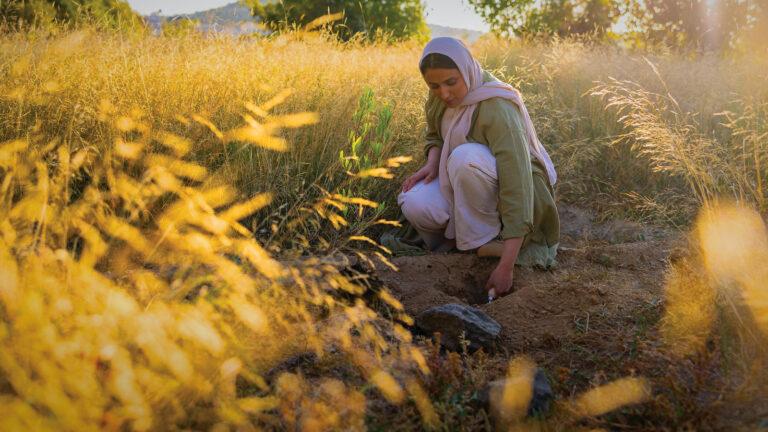
You need your project bankable, permitted, and moving – without an environmental review derailing the timeline.
Five years ago, the Saudi Green Initiative was a set of targets on a government press release.
The numbers since show what’s actually been built: land restoration under the initiative has gone from 18,000 hectares to 250,000 by 2024 to more than a million as of early this year, with 2.5 million hectares targeted by 2030. Tree planting has tracked the same curve – past 159 million now, working toward a long-term ambition of 10 billion.
That’s not a target anymore. It’s a baseline every lender, regulator, and stakeholder measures your project against. We covered the founding goals when the SGI first launched. This is where things stand now that five years of delivery have replaced five years of ambition.
The pressure has moved upstream
If you’re developing in infrastructure, energy, real estate, tourism, mining, or manufacturing, you’re already feeling this. Investors want evidence before they commit capital, not promises after the fact. Lenders want risk assessed before they sign, not managed once it’s a problem. Regulators want a baseline drawn early, not retrofitted once complaints start arriving.
The bodies behind that shift aren’t standing still either. NCEC is rolling out a 10-year public-private partnership to run nationwide environmental inspections across roughly 250,000 facilities – a scale of oversight that didn’t exist five years ago.
Penalties have grown teeth to match: violations can now carry fines of up to SR5 million, deportation for non-Saudi offenders, and repeat offenses get routed to a specialised environmental court.
The National Center for Vegetation Cover Development and Combating Desertification runs the land side – the body behind the hectare count you just read – and the Ministry of Environment, Water and Agriculture sets the standard everyone else works to.
That land mandate traces back to the National Environmental Strategy – the roadmap that predates SGI and guided the 2016 restructuring that created MEWA in the first place.
The climate side runs through the Circular Carbon Economy Framework, and the target itself has moved: SGI’s original pledge was to cut 278 million tonnes of CO2-equivalent a year by 2030. Saudi Arabia’s newest NDC, filed at the end of December 2025, resets that to 335 million tonnes by 2040 against a “dynamic” 2019 baseline – a shift Climate Home News reports still lacks a clear basis for measurement. Worth knowing which number you’re citing before it lands in a client proposal.
Underneath all of it, SGI is a pillar of Vision 2030, not a side initiative – which is why the organisations coming out ahead are the ones already building environmental sustainability, biodiversity protection, and responsible resource management into how they operate, not bolting it on once a regulator asks.
Proof, not promises
More inspectors, harsher penalties, less patience for a permit that reads well on paper but doesn’t survive a site visit. Here’s what that’s actually looked like on the ground.
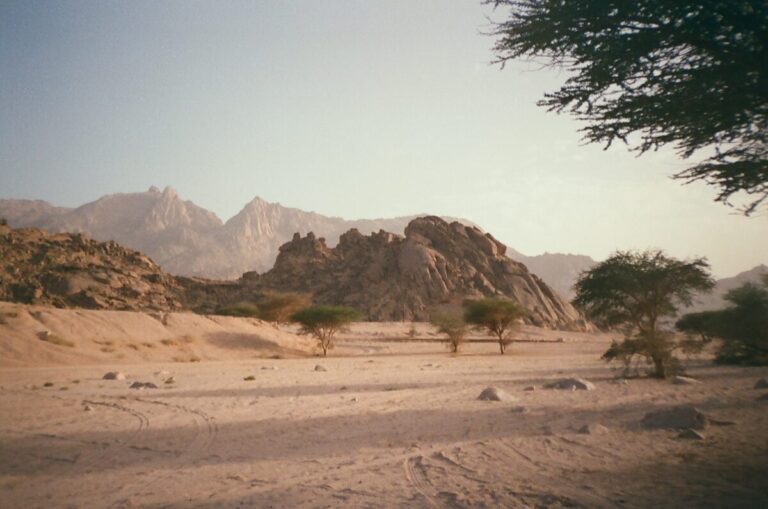
At NEOM, that’s meant identifying and translocating native tree species across the site’s development zones, in line with NEOM’s own vision to preserve them — fieldwork, not a slide deck. At Saudi Aramco, it’s meant assessing internationally significant biodiversity near one of their facilities in Abha, giving the company what it needed to keep a fragile habitat balance intact. Real projects, real data, real regulatory submissions.
The hectare count will keep climbing. If there’s one place we’d tell a client to start: don’t assume a permit that cleared review two years ago clears it today – the baseline has moved even where the paperwork hasn’t.
Get in touch to talk through where your project stands against the SGI framework.
Author: Mariam Jama – Consultant, Climate Change & Sustainability, Staterra