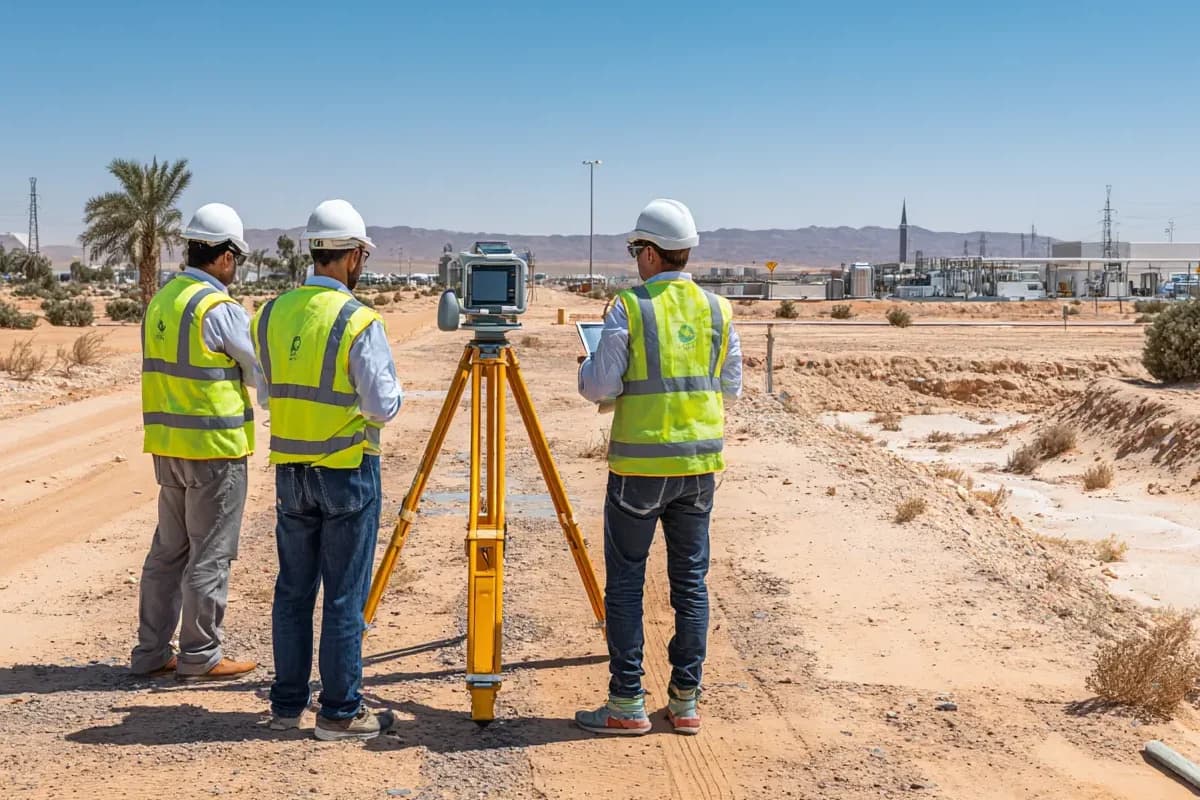
What is the relationship between Environmental Engineering and Sustainability?
Given the main responsibilities of environmental engineers, there is a significant overlap with fields like sustainable development. Sustainability is defined as "development that meets the needs of the present without compromising the ability of future generations to meet their own needs"...
Given the main responsibilities of environmental engineers, there is a significant overlap with fields like sustainable development. Sustainability is defined as “development that meets the needs of the present without compromising the ability of future generations to meet their own needs” (Brundtland Commission). The United Nations further states that sustainability means societies can improve quality of life and preserve natural resources.
Environmental engineers are well-placed to improve sustainable practices across public and private sectors. Their portfolio covers:
- Air and water quality engineering
- Environmental nanotechnology
- Energy studies (bioenergy, carbon capture, shale gas)
- Oil and Gas Process Engineering (Upstream/Midstream/Downstream)
- Environmental sensing
- Green design and construction
- Industrial ecology
Life cycle assessment (
ISO 14044
)
- Remediation risk assessment
- Sustainable engineering
- Climate change
Environmental engineering develops practical sustainable solutions through design, technology, and management. Sustainability science is interdisciplinary, exploring human-environment relations to promote ecological, social, and economic balance. Engineering makes sustainability actionable – improving water systems, managing waste, and reducing risks with measurable results.
Environmental Engineering Science
- Focus: Apply engineering and scientific principles to design and implement systems that protect and restore the environment.
Key activities:
- Water and wastewater treatment
- Hazardous and municipal waste management
- Land remediation and resource recovery
- Pollution and climate innovation
- Goal: Protect public health and resources
- Risk mitigation: Safeguarding sensitive receptors – flora, fauna, communities, site workers
Sustainability Science
- Focus: Integrates natural and social sciences to study complex human-environment interactions
Key activities:
- Analyse ecological impacts
- Address clean water, land, climate issues
- Solve global challenges with problem-based approaches
- Goal: Achieve long-term balance through policy and holistic understanding

Sustainability application in the Oil and Gas Industrial sector & UN Sustainability Goals
Relationship
Environmental engineering provides the “how” – the infrastructure and technologies for sustainable practice.
Sustainability science provides the “why” – the scientific and societal basis for lasting change.
Often taught together, these disciplines combine technical execution with strategic goals.

Sustainability Venn Diagram
Saudi Regulations, Permitting & Targets
Saudi Arabia features rigorous environmental permitting and monitoring managed by MEWA, NCEC, and RCJY. Projects require environmental impact assessments (EIAs), permits, and ongoing compliance under the Saudi Environmental Law.
Vision 2030 targets:
Industrial waste diversion: 85% by 2035 (
Circular Economy
)
Emissions reduction: 278Mt CO₂eq by 2030 (
Green Initiative
)
- Renewables: 50% of electricity generation by 2030
Environmental engineering is essential for meeting these targets by designing compliant air, water, and waste systems, using life cycle assessment, and deploying innovative solutions for KSA’s unique desert, coastal, and urban environments.
Saudi Sector Examples
- Oil & Gas / Petrochemicals: Life cycle assessment for emissions retrofits and flare minimisation
- Water-stressed industries: Advanced reuse and resource recovery for coastal cities
- Energy-intensive facilities: Emissions controls and energy optimisation for lifecycle compliance

Staterra’s approach to contaminated land and groundwater embodies the full project lifecycle – from initial Phase I desk study and risk assessment, through Phase II intrusive site investigation, targeted Phase III bioremediation, and robust Phase IV monitoring and verification.
This rigorous, phased methodology ensures that every step-site characterisation, cleanup, and compliance reporting – meets MEWA, NCEC, and Royal Commission standards.
By combining technical excellence, regulatory alignment, and sustainable land management, Staterra helps companies achieve safe redevelopment and environmental protection across the Kingdom.
Conclusion
Environmental engineering and sustainability are deeply linked in Saudi Arabia. Progress depends on leveraging proven engineering expertise, trusted international frameworks, and robust national regulations to achieve measurable goals across sectors for a vibrant, sustainable future.
Staterra is proud to be among the fastest-growing environmental consultancies in Saudi Arabia and the GCC. The team is committed to partnering with organisations to address permitting, compliance, and sustainability challenges – delivering solutions that advance performance and help achieve national environmental goals across the Kingdom. Get in touch to discuss how our team can help advance your next project.
Author: John David Lapinskas, C.Chem., C.Env. – Technical Director, Staterra Environmental Engineering
Let's discuss your project challenges
Our team supports clients with practical environmental insight from planning through delivery.
Contact us
Our Latest Posts
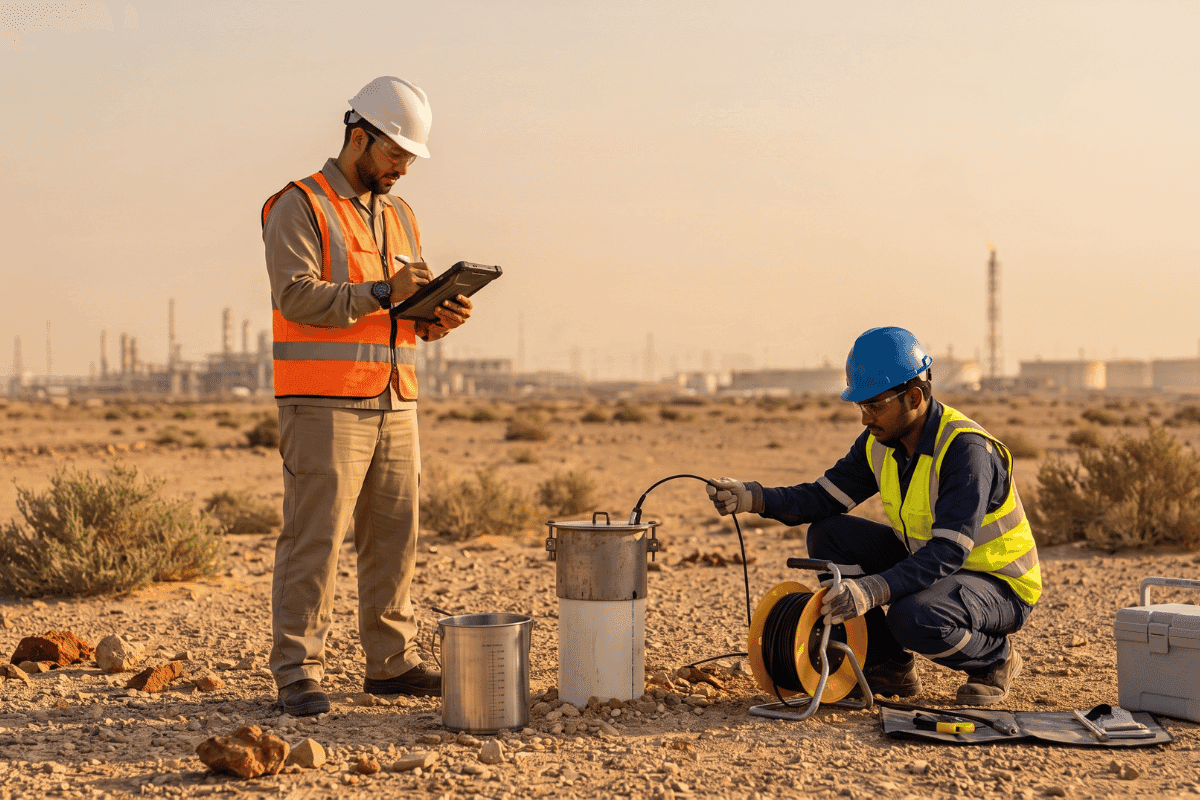
Protecting what's below: groundwater contaminant transport modelling for petrochemical capacity expansion in Jubail Industrial City
When a petrochemical facility in Jubail Industrial City undertook a significant debottlenecking programme to increase production capacity, the project triggered a critical environmental obligation: demonstrating, with technical certainty, that the expansion would not compromise groundwater quality...
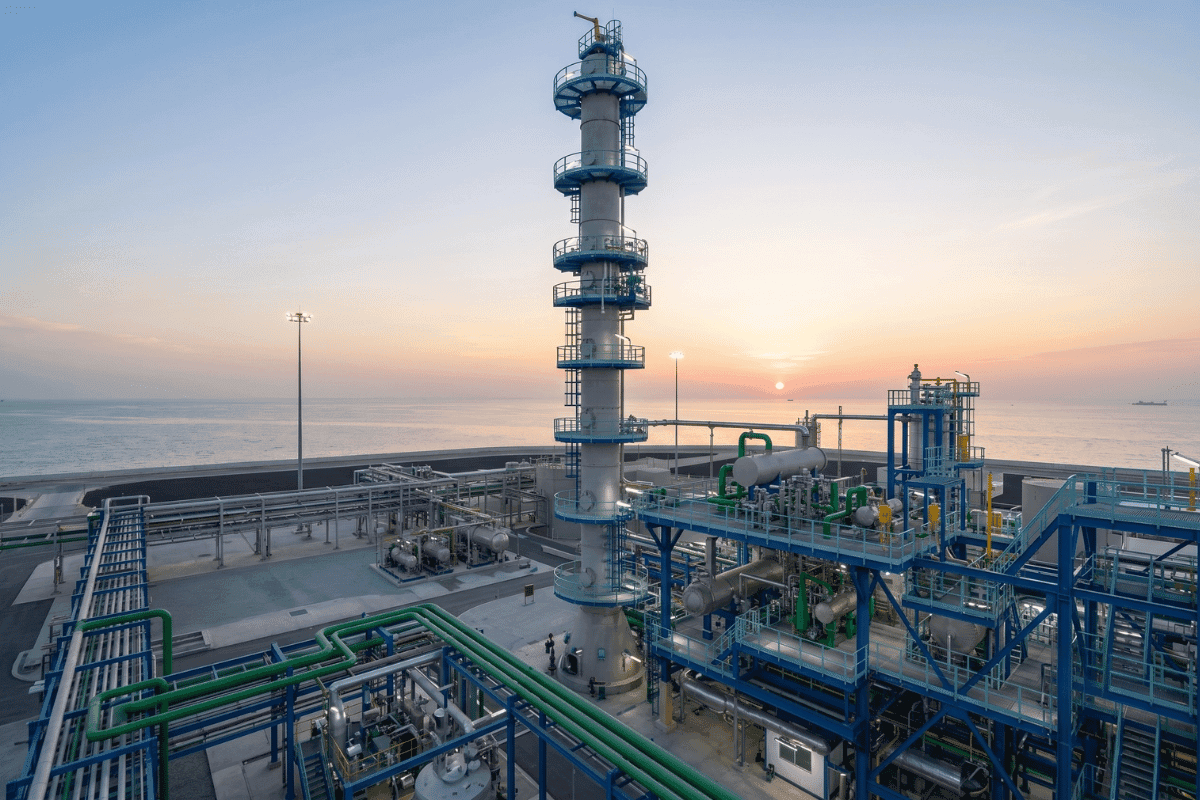
Environmental Modelling as a decision-support tool for impact assessment
You're trying to assess the environmental impact of a project that involves dozens of interacting variables – emissions, drainage, wind, terrain, receptors, land use, and operational scenarios. Looking at each one in isolation won't give you the answer. It will give you a fragment. That's where...
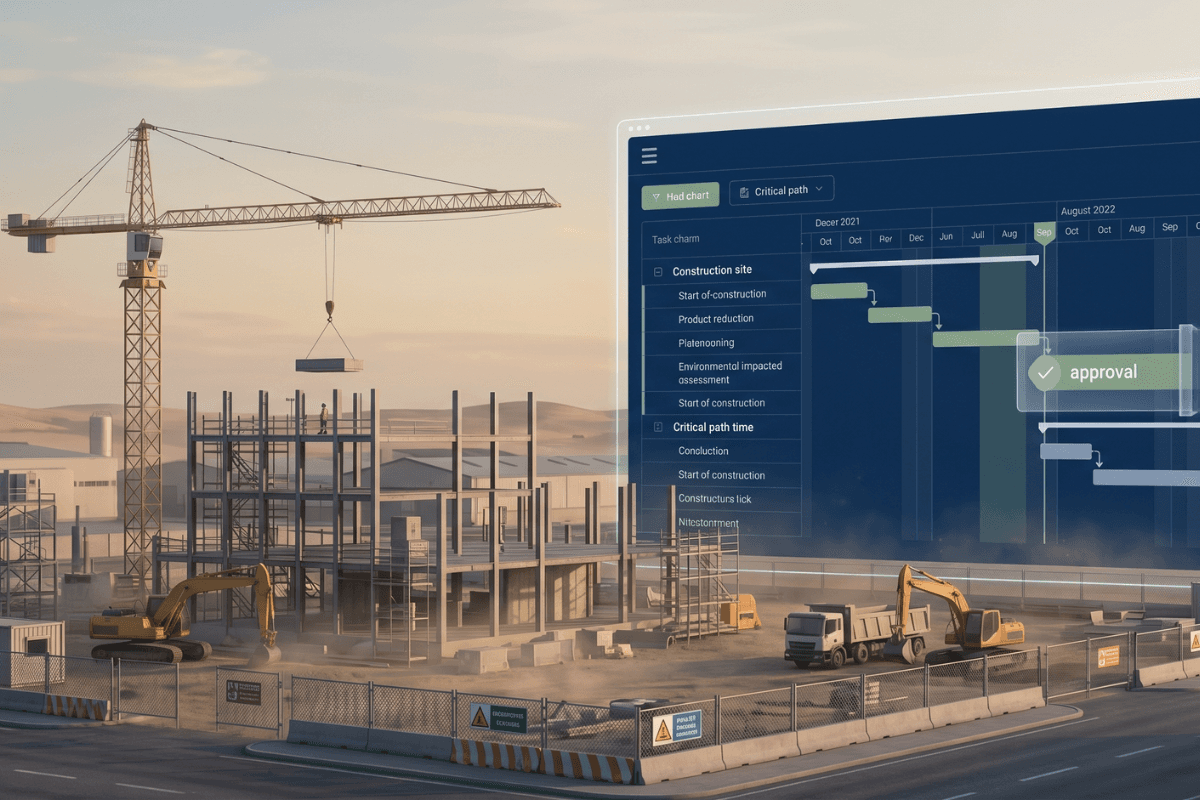
Your EIA is on the critical path. Don't let it become the bottleneck.
Four facilities. Ninety days. A Category-2 EIA that has to satisfy NCEC, align with SAEP-13, include a Health Impact Assessment, and land a Construction Environmental Management Plan with a dust mitigation component, all before a single upgrade to Dhahran, Qatif, or Al Hasa's fire and oily water...